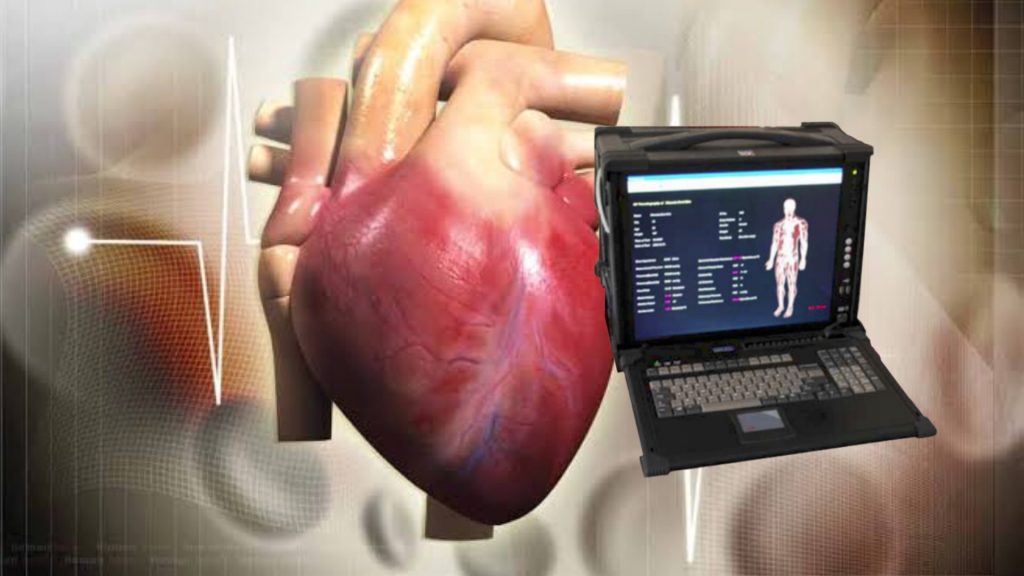
Advanced 3DVG Heart Scan for Comprehensive Cardiac Insight
At Heart and Health, precision meets innovation with our 3DVG Heart Scan — a cutting-edge diagnostic technology that provides a three-dimensional, real-time view of your heart’s electrical and functional activity. Unlike traditional ECG or 2D imaging, the 3DVG (Three-Dimensional Vector Graphic) Heart Scan captures a dynamic map of your heart’s performance, allowing our specialists to detect hidden abnormalities that standard tests often miss.
This advanced scan offers an in-depth analysis of:
Electrical conduction patterns of the heart
Early-stage ischemia (reduced blood flow)
Cardiac stress and arrhythmia risks
Oxygen supply and energy efficiency of the heart muscle
Functional balance between the left and right ventricles
Why the 3DVG Heart Scan Matters
Traditional heart assessments provide valuable insights but may not capture the full picture. The 3DVG Heart Scan stands out for its:
Early detection of cardiac stress and microcirculatory issues
Non-invasive, radiation-free testing
Instant, accurate reporting for clinical decision-making
Ideal use in preventive heart care, athlete screening, and ongoing cardiac monitoring
At Heart and Health, we combine advanced diagnostics with compassionate care giving you the confidence that your heart is seen, understood, and protected in three dimensions.
What to Expect During the Scan
The process is quick, safe, and comfortable:
You’ll be connected to specialized sensors on your chest and limbs.
The system records electrical signals and converts them into a 3D visual model.
Within minutes, your results are analyzed and interpreted by our clinical team.
There’s no discomfort, radiation, or downtime, and the scan is suitable for all ages.
common Questions
What is a 3DVG Heart Scan?
The 3DVG (Three-Dimensional Vector Graphic) Heart Scan is an advanced, non-invasive test that provides a 3D view of your heart’s electrical and functional activity, helping detect abnormalities that may not appear on a standard ECG.
How is it different from a regular ECG or Echocardiogram?
While an ECG measures electrical signals in 2D and an echo shows heart structure, the 3DVG scan combines both perspectives — offering a three-dimensional visualization of how the heart performs in real time.
What conditions can the 3DVG Heart Scan detect?
It can identify early signs of ischemia (poor blood flow), arrhythmias, cardiac stress, energy inefficiency, and imbalances between the heart’s ventricles, even before symptoms appear.
Is the 3DVG Heart Scan safe?
Yes. The scan is completely safe and non-invasive, with no radiation, injections, or discomfort involved.
How long does the scan take?
A typical 3DVG Heart Scan takes about 20 to 30 minutes, depending on the level of analysis required.
Do I need to prepare before my appointment?
No special preparation is necessary. You may be asked to avoid caffeine or strenuous exercise a few hours before the scan to ensure accurate readings.
Who should consider having a 3DVG Heart Scan?
It’s recommended for anyone with heart disease risk factors, unexplained fatigue, chest discomfort, or a family history of cardiac conditions — as well as athletes or individuals seeking preventive screening.
Can the scan detect heart disease before symptoms develop?
Yes. The 3DVG technology can reveal subtle electrical and functional changes that often precede visible symptoms, enabling early intervention and prevention.
Will I feel anything during the test?
No. The scan is completely painless. You’ll simply relax while sensors record your heart’s electrical activity.
How soon will I get my results?
Results are typically available immediately, and your clinician will review them with you, explaining findings and any recommended next steps.
Is the 3DVG Heart Scan suitable for everyone?
Yes. The test is safe for all ages, including adults, seniors, and patients with existing heart conditions.
What happens after the scan?
You’ll receive a detailed 3D report of your heart’s function, along with personalized recommendations for ongoing care — which may include lifestyle adjustments, follow-up testing, or complementary therapies like ECP or Cardiac Echo.